💻 Are you dreaming of starting an online store but not sure where to begin? You’re not alone! Whether you’re an artist, small business owner, or service provider, e-commerce offers endless opportunities to share your products with the world, connect with customers, and grow your brand.
If navigating the world of online selling feels overwhelming, no worries! This guide will walk you through the basics step-by-step so you can confidently take the first leap. Let’s dive in!
✨ What is E-Commerce?
E-commerce (short for electronic commerce) is the process of selling products or services online. Instead of visiting a physical store, customers shop directly from your website, social media platforms, or online marketplaces like Amazon and Etsy. Everything happens digitally—from browsing to purchasing to shipping!
🛍️ Who Should Start an Online Store?
E-commerce is for everyone! Whether you’re offering physical goods, digital downloads, or services, selling online is your ticket to reaching more people and scaling your enterprise.
✅ Small Business Owners: Expand your brick-and-mortar shop into the online space to serve customers far and wide. ✅ Digital Creators: Sell handmade goods, original art, eBooks, or other digital products to showcase your creativity. ✅ Service Providers: Offer online courses, coaching packages, consultation services, or subscriptions directly to your audience.
No matter what you specialize in, e-commerce allows you to reach a global audience and grow beyond your local market.
📦 Why Should You Start an Online Store?
The benefits of e-commerce are simple yet game-changing:
🌍 Unlimited Reach: Say goodbye to location limitations. Your store can serve customers worldwide, 24/7.
🚀 Low Overhead Costs: You don’t need a fancy storefront or big rental fees to operate your business online.
⚡ Convenience for You and Your Customers: Your audience can shop anytime, anywhere. Whether it’s from their couch in pajamas or on their lunch break, your store is always open!
Starting an online store is an affordable, flexible way to create a business (or scale an existing one) while gaining access to an audience that spans the globe.
👣 How to Start Selling Online
Ready to take your dreams of an online store and turn them into a reality? Follow these simple steps to get started:
1️⃣ Choose What You’ll Sell
Your business starts with the products or services you plan to offer.
Are you selling physical goods like fashion, handmade crafts, or home decor?
Delivering digital downloads like worksheets, eBooks, or templates?
Offering services such as coaching, consulting, or online courses?
Pick items you’re passionate about and that solve problems for your ideal customers.
2️⃣ Pick the Perfect Platform
There are plenty of ways to set up an online store—choose one that matches your goals and budget. Popular platforms include:
Shopify: User-friendly and highly customizable for small businesses. (our favorite!)
Wix: A simple drag-and-drop site builder with e-commerce features.
WooCommerce (via WordPress): Affordable and scalable but requires some technical know-how.
3️⃣ Set Up Your Store
Here’s where your creativity shines! Start building your e-commerce brand with these essentials:
Create a Brand Identity: Choose colors, logos, and messaging that represent your business.
Write Engaging Product Descriptions: Highlight benefits and features to help customers make confident buying decisions.
Upload High-Quality Photos: Give your products the spotlight they deserve with clear, appealing visuals. Be sure to name the photos for search engines and your brand.
4️⃣ Market Your Store
You’ve built your shop—now let the world know it exists! Drive traffic to your store with:
Social Media Marketing: Share posts, stories, and videos showcasing your products.
Email Campaigns: Reach your subscribers with exclusive discounts and new product launches.
Paid Ads: Use platforms like Facebook, Instagram, and Google Ads to attract new customers and retarget visitors.
5️⃣ Focus on Building Customer Trust
E-commerce success depends heavily on trust. Build it by:
Offering Secure Payment Options: Show customers their data is safe.
Clearly Stating Your Policies: Easy-to-understand refund, exchange, and shipping details calm uncertainty.
Providing Stellar Customer Service: Respond to inquiries quickly and treat every interaction as an opportunity to wow your customers.
🚀 Pro Tips to Optimize Your Online Store for Growth
Starting simple is great—but as your business grows, so should your strategy. Here’s how you can ensure your store works for you long after your launch:
✨ Optimizing for Organic Growth:
🌟 Perform an SEO Audit: Use tools like SEMRush to identify areas where you can improve your site’s rankings, like fixing broken links or duplicate pages.
📸 Rename Your Images with Keywords: Instead of “IMG123.jpg,” try “handmade-wool-scarf.jpg” so search engines can showcase your products.
📱 Make Pages Mobile-Friendly: More than half of online shopping happens on mobile. Always test your site on smaller screens!
🖋️ Simplify URLs: Use clean URLs like www.yourstore.com/blue-ceramic-mugs to improve search engine visibility and make navigation easier for your customers.
🔑 Build Awareness FIRST
🚨 Before diving into sales-focused campaigns, start by introducing your brand and products through an awareness ad. Why? A cold audience (people who don’t know you yet) won’t convert if they don’t understand who you are or why your store matters.
💡 What Makes Awareness Ads Powerful: ✅ Build Trust: Share your story and showcase your values so people connect with your brand. ✅ Warm Up Your Audience: Build curiosity BEFORE you ask them to purchase. ✅ Improve Sales Campaign Results: Awareness ads create familiarity—making sales ads more effective down the line.
💬 Ready to Start Your E-Commerce Journey?
Whether you’re just exploring the idea or already drafting your first product listing, stepping into the world of e-commerce is exciting! Remember: ✔️ Showcase the unique value of your brand and products. ✔️ Build relationships with your customers—and earn their trust. ✔️ Let organic traffic and awareness campaigns work for you over time.
You’ve got this! There’s a world of opportunity waiting to see what YOUR store has to offer, and we’d love to be part of your journey.
Getting customers through the doors is one of the biggest challenges brick-and-mortar businesses face—and it’s also one of the most important steps in building relationships with your customers. After all, your space isn’t just a location; it’s an opportunity to connect, showcase your expertise, and deliver your products or services in a meaningful way.
So how do you ensure potential customers not only know where you are but are excited to stop by? The answer lies in visibility, accessibility, and awareness. Whether you’re in a bustling shopping hub or nestled in the heart of a small town, these three tips will help you stand out, attract foot traffic, and grow your local presence.
1. Make Outdoor Signage Stand Out
Can customers easily spot your business from the street? For many physical locations, your outdoor signage is your first impression—and the key to getting foot traffic. It’s not just about being noticed; it’s about being inviting. Take a step back and look at your storefront through new eyes: Is your signage doing its job?
💡 Action Steps for Eye-Catching Signage:
Audit Your Storefront: Walk across the street or down the block and pretend you’re a customer. Is your signage clear, visible, and engaging? Could someone driving or walking by quickly identify what your business offers?
Use Creative Touchpoints: While your building signage is important, don’t underestimate smaller elements like sandwich boards (A-frames) or freestanding chalkboards by the entryway. These are perfect for showcasing daily specials, promotions, or even witty messages that get people to stop and smile.
Expand Your Reach: Think about additional signage in high-visibility areas. Street intersections, the entrances of shopping centers, or nearby districts are great places to capture attention.
Leverage Visual Appeal: Have you thought about adding a mural or branded artwork to your storefront? Vibrant designs not only attract attention but also create “Instagrammable moments” for customers. Something as simple as a colorful wall or unique design can prompt people to snap a photo and share it—putting your business on the digital map and driving even more traffic your way.
🌟 Pro Tip: Check your signage at night. Is it well-lit and easy to read after sunset? Illuminated signage can keep your business visible around the clock.
2. Optimize Your Digital Presence with Map Listings
In today’s increasingly digital world, many customers begin their journey with a quick online search. Platforms like Google Maps and Apple Maps are invaluable tools in helping potential customers find you, but it’s not just about being listed—it’s about being optimized.
💡 The Why: A fully optimized map listing gives potential customers all the info they need to make a confident decision to visit you. Details like business hours, photos, customer reviews, and even parking availability help establish credibility and trust.
💡 Action Steps to Optimize Your Listing:
Claim or Update Your Listing: Ensure your business is verified and all your information—address, hours, phone number, website, and services—is accurate. Don’t forget seasonal updates for holidays or special hours!
Add Images: Photos give customers a glimpse into your store’s vibe. Post images of your products, exterior, interior, or happy customers enjoying what you offer.
Encourage Reviews: Positive reviews make a big impact. A strong rating can set you apart from competitors and increase the likelihood that people choose you. Politely encourage happy customers to leave feedback on your map listing—it’s worth the effort!
Stay Active: Regularly monitoring and responding to reviews (both positive and constructive) shows potential customers that you care and are attentive.
🌟 Pro Tip: Check your business’s map listing on multiple platforms, including voice assistant integrations like Siri, Alexa, or Google Assistant, to ensure your business is easily discoverable.
3. Team Up With Neighbors for a Bigger Impact
When it comes to building foot traffic in your area, collaboration is key. Partnering with neighboring businesses not only enhances your exposure but also builds a sense of community that attracts more visitors. Customers love districts or neighborhoods that feel vibrant and connected—it gives them a reason to keep coming back.
💡 Collaborative Ideas That Work:
Cross-Promotions: This is a simple yet effective strategy. For example, you could offer discounts or perks for shoppers who visit both your store and a neighboring business. “Show your receipt from [Business A] to get 10% off at [Business B]!”
Co-Hosted Events: Joint events like block parties, pop-up markets, or seasonal festivals give customers an exciting reason to visit. Collaborative events are also a great way to share promotional efforts and expenses.
Shared Resources: Splitting the costs for marketing materials like flyers, social media ads, or sidewalk sales means you can maximize your reach without overspending. Plus, when businesses team up, it creates a stronger sense of community.
💡 Pro Tip: Build relationships with your neighbors outside of promotions. A supportive community of local businesses often leads to long-term collaborative success. The more vibrant and welcoming the area feels, the more customers will view it as a go-to destination.
Driving Foot Traffic: The Key Takeaways
Attracting more visitors to your physical location requires a multifaceted approach. Focus on these three pillars to ensure your business gets noticed:
1️⃣ Outdoor Signage: Make your storefront eye-catching and inviting, using creative signage that captures attention. Bonus points for designing Instagram-worthy spaces! 2️⃣ Map Listings: Customers need to easily find you online. Optimize your listings with all the relevant details, encourage reviews, and show off your business with photos. 3️⃣ Collaboration: Don’t go it alone—team up with other local businesses to create a district customers will want to explore and revisit.
Start with one small step, be consistent, and watch your efforts snowball over time. Whether it’s through a stunning sign, a glowing online review, or a special promotion with a neighbor, every action you take brings you closer to your goal: more customers walking through your doors.
Ready to give your business the visibility it deserves? Let’s make it happen!
Below is a curated FAQ list tailored to small business owners, entrepreneurs, and marketers aiming to improve their strategies in their businesses. You can dive deeper into each answer by reading the blog associated with each question.
1. How can printed marketing collateral help my small business in 2025?
Answer: Printed marketing collateral remains a powerful tool in 2025 as it allows you to combine multiple marketing channels and establish a physical connection with your customers. Items like custom flyers, brochures, and postcards can complement digital efforts, creating a well-rounded campaign. Print marketing helps you stand out in a digital-heavy world and fosters trust by giving customers something tangible to engage with. Blog: Print Marketing Collateral in 2025
2. Is loyalty marketing only about encouraging frequent purchases?
Answer: Not anymore! Loyalty marketing has evolved to prioritize the customer experience. It’s not just about how often customers buy but about the value and experience you create for them. Brands should double down on offering memorable interactions, demonstrating genuine care, and fostering emotional connections. A positive customer experience is critical to building long-term loyalty. Blog: Loyalty Marketing and The Customer Experience
3. What are the top books for small business owners looking to stay motivated and improve their leadership skills?
Answer: While the blog hints at resources for leaders and high achievers, it emphasizes that time is invaluable for business owners. To grow as a leader, focusing on books that inspire productivity, strategic thinking, and personal development is key. Consider titles that align with branding, marketing, and leadership strategies, offering actionable insights for busy entrepreneurs. Blog: Top Books for Leaders, High Achievers and Small Business Owners
4. How can small business marketing help establish brand awareness and drive growth?
Answer: Small business marketing plays a crucial role in promoting your products and services while building your brand’s awareness within the local community. It helps create relationships with customers, increases sales opportunities, and positions your business as a trusted partner. Developing a marketing strategy aligned with your company’s mission can strengthen your position in competitive markets.
5. What are the key objectives every small business should have for their marketing efforts?
Answer: While many business owners might initially state their objectives as “making more sales,” the blog emphasizes the need for clarity and precision. Objectives should include building brand awareness, acquiring new customers, and retaining existing ones. Using measurable goals and aligning marketing strategies with your business vision is essential for success. Blog: What Are Your Small Business Marketing Objectives
6. How can refining brand messaging help improve my local business performance?
Answer: Refining your brand messaging ensures that your audience understands and connects with your business. Strong brand messaging builds trust, increases engagement, and drives sales. If your advertising budget is limited, optimizing how you communicate your value can stretch your resources and make your growth expectations more attainable. Blog: Refining Your Brand Messaging
7. How can I overcome business constraints related to my marketing budget?
Answer: Small businesses often face challenges tied to insufficient marketing budgets, but the blog emphasizes the importance of maximizing the resources you have. Setting clear priorities, leveraging low-cost or free tools, and targeting your audience effectively can help you work within constraints while striving toward your business goals. Blog: Empowering Through Your Business Constraints As A Local Business
8. Why should small businesses use a mix of digital and physical marketing channels?
Answer: Small businesses benefit from combining physical and digital marketing because it creates a multi-touchpoint experience for customers. Digital marketing allows for broader reach and scalability, while physical marketing tools like flyers or brochures deliver tactile experiences that resonate on a personal level. Together, they form a balanced strategy to effectively engage your audience.
9. How can entrepreneurs protect their time while improving brand awareness?
Answer: The blog highlights that entrepreneurs often juggle multiple responsibilities; therefore, streamlined strategies are key. Focus on time-efficient marketing tactics like social media, email campaigns, and search engine optimization. Use automation tools and delegate tasks where possible to boost brand awareness without overwhelming your schedule.
10. How should small businesses approach growth expectations when limited by advertising budgets?
Answer: Setting realistic growth expectations is crucial when operating on a small advertising budget. Rather than aiming for aggressive growth without resources to back it up, focus on incremental steps, like improving brand awareness, deepening customer relationships, and leveraging organic marketing strategies (e.g., social media, SEO, and community engagement).
Print Marketing is a tool that all brands can benefit from in 2025. It not only gives a brand an opportunity to use multiple marketing channels in a single campaign, it also allows you to have a physical touchpoint with a customer, and not solely rely on digital. From custom flyers promoting events or community partnerships to quality menus, promotional products, or direct mail campaigns there’s a print marketing idea for all businesses.
Did you know that at Miller Marketing Group we can help you with your printed marketing collateral needs?
With quick turn around times, shipping across the United States, and the partnership with an established business stationary company; we are proud to be able to help you with your print marketing needs.
Our business relationship began with this 60 year old, family owned Texas business five years ago; and we are so happy the relationship has evolved over the years.
From business cards, to brochures, letterhead to hangtags, vinyl banners to magnets, yard signs to totes, we’ve got you covered.
And yes…we even have koozies!
I know you might be wondering why print marketing in todays digital landscape? Which is a great question, and throughout this article, I hope to inspire you on ways to use print marketing in your brands marketing strategy in 2025.
Why Print Marketing?
Print media and marketing brings a sense of peace, stillness and inspiration while disconnecting from the constant distractions of other forms of marketing. So as a business, your branding is seen in print publications and not lost in the scroll.
Texture, weight and quality of print brings in a sense of trust, status and emotional engagement that a billboard, social media, a radio ad or tv commercial don’t always evoke.
There are many different forms of Print Marketing that can help youestablish your branding, branding standards ( what customers should come to expect), brand awareness, and even lead collection through your printed marketing collateral.
For example, your business card is potentially the first impression of your brand and yourself. It also can be used as a form of direct marketing by giving the recipient different opportunities to get in contact with you, and also be apart of your brands community on social media, give your brick & mortar location details, and even a chance to enter a promotion through a QR code.
Let’s say you’re trying hard to rebrand your company, or develop your branding standards, well having professionally branded letterhead and envelopes that match your business cards look and tone, is a great way to do just that. Remember, when we’ve mentioned that it takes us consumers an average of 8x times to see a message before it resonates?
Well we’ve just given you three ways to increase your brand awareness with print marketing, by incorporating letterhead, envelopes and business cards.
Brochures
A benefit of a brochure is that you can use these in different marketing channels and at different touch points. A brochure is even a cost effective way to spread your branding, your message and a call to action.
In terms of different marketing channels these can be distributed at potentially your local of chamber of commerce office (if you’re a member), use it as a marketing tool at a trade show or event, or even include in customer orders.
A brochure also gives your brand the ability to tell its story, share its mission and vision, capability statement, invite readers to be apart of your online community, and direct them what to do next through a specific call to action using a dynamic QR code.
This marketing pieces gives you capability to order a large quantity and reduce your price per brochure and use for years while continuously updating the the dynamic QR code, to lead readers to a relevant landing page.
Brochures are not only a great addition but also a cost effective way to market your company.
Before you move forward with starting an order though, I recommend these few tips, which will save you time in production. Gather brand images, logo, QR code and have your copywriting ready to go.
Door Hangers & Yard Signs
Depending on your business and industry, door hangers and yard signs might be the perfect marketing assets for your marketing mix.
Let’s say you’re a realtor, HVAC Company, hotel, or landscaping company a door hanger is a great way to spread brand awareness or a specific message. A HVAC of Landscaping company might leave a door hanger instead of a business card stuffed in the door when prospecting, where as a hotel might need a door hanger for a do not disturb sign. A realtor might need a yard sign for advertising new listings, where as a HVAC Company might be offering FREE AC tuneups in a certain neighborhood or part of their market.
Flyers:
Like a brochure, flyers can be used in multiple marketing channels and for multiple purposes.
A retail business might need a flyer for an upcoming event or promotion, where as concert venue needs to promote its upcoming show, an b2b service provider might need a capability statement, a sponsored athlete might need a flyer for a hero card, and realtor might need a flyer for a new listing.
As you can see there are many uses for a marketing flyer; but just like the brochure, you will save time in production if you can gather your marketing assets (images, logo, copy and call to action) before going into the design phase in production.
Vinyl Banners
Does your company sponsor events, trade shows, collaborate on co-branding opportunities or place external signage at their brick & mortar location?
If the answer is yes to any one of these, then vinyl banners might be a perfect addition to your marketing mix.
For example, lets say you have a monthly event schedule and you know in advance what is happening all month long; printing a banner with your event information is a great way to share information in a high visibility area at your place of business.
If there is a business expo coming up or a community event your brand has committed to vinyl banners are a great branding tool and even a simple way to direct your attendees at a large event.
Magnets
A fun way to keep top of mind with your customers or potential customers, is to create a fun magnet that they’ll hang on to. Use them as a business card, promotional piece, kitchen calendar or branding.
Postcards
Postcards can be used as a successful form of direct marketing if used correctly. By using personalization, a relevant mailing list and quality call to action, you can captivate the readers attention and drive action. Sales copywriting is an important marketing asset to use in direct marketing. Be sure your message is compliant and not vague with assumptions. Postcards are also a cost efficient way to market your brand.
Pocket Folders
A great way to increase your brand identity, organize paperwork for sales meetings, create packets for trade shows, and new employee orientation folders, is by using pocket folders. With a pocket folder you can place artwork in front, back and inside, so you have multiple options to share your brand message while giving recipients a quality folder with your branding.
Carbonless NCR Forms
NCR Forms can be a necessity for some businesses, as they provide a way to make multiple copies at once of a single document. Some even have 3-4 layers, each being a different color so it makes it easier to derive which copy goes where.
If you’re needing forms with sensitive or legal information, NCR forms are a great way to give a professional and organized experience to your customer; and it also helps your internal team manage documents easier. NCR forms are also friendly to the environment.
As always thanks for reading and tuning into our blog here at Miller Marketing Group. We hope these ideas in print marketing will inspire you to create some print marketing collateral in your business!
Have questions regarding Print Marketing for your business?
Loyalty Marketing is no longer solely about the purchase frequency of a consumer. The experience you offer your customer matters.
In my professional opinion, I would actually say that Loyalty Marketing hasn’t solely been about purchase frequency in quite a long time; and that brands should double down on the customer experience they’re offering. However, there are many brands and marketers today, that in 2025, are acknowledging that they focused too much on transactional loyalty.*
According to Loyalty360’s“2024 State of Customer Loyalty Report” – 79% of brands expressed interest in updating, enhancing, or redoing their customer loyalty programs.
In 2012, I had the opportunity to speak on social, mobile and loyalty marketing and what I was doing as a c-store marketer to drive a loyal consumer base back to the store chain. While also sharing my journey of implementing the right mobile strategies and tactics for the customer.
At that time, we were discussing the main differences between transactional and experience driven loyalty marketing. And here we are over a decade later, where transactional and experience driven loyalty marketing is quite the topic.
So in this blog article, I want to share with you the importance of experience and value in Loyalty Marketing in 2025.
First off, when I refer to Loyalty Marketing, what do I actually mean?
Loyalty marketing is a strategy focused on encouraging customers to continue to buy from a specific brand over time, while building a brand community and offering great customer experiences at all interactions. These type of strategies are great for established brands that are looking for ways to strengthen their relationship with the customer, while enhancing the customer experience with the brand.
Throughout the program, a great marketer will create different ways for the customer to engage and interact with the brand, and they will not rely solely on transactional data to determine if their marketing is successful.
Customer loyalty programs do require organizational energy, resources and communication between the organizationals internal team, no matter how big or small. So if you’re considering formulating your own loyalty marketing strategy, these are a few things to keep in mind.
So what are the role of the terms, “experience” and “value” in a loyalty marketing strategy?
If you turn on the radio, tv, see a billboard or look at social media, and really listen, you’ll notice a lot of ad copy for different brands, is focused on inviting the market to experience their brand. Whether it be a hotel, home builder, auto, candle company, equine breeding facility, special event, bar, restaurant, gaming, medspa, or retail business, you hear or see “experience” in some form of marketing.
They are leading with this style of copywriting because:
They focusing on selling the experience not necessarily just the product or service.
By selling the experience the brand offers vs. the product or service itself; it gives the brands a way to differentiate themselves in their industry as a whole, and the specific market they serve.
It aims to paint a picture of what to expect, when engaging with the brand, and ties the messaging back to focusing on the benefits they’ll receive.
Think of a hotel chain you prefer, in their messaging, are they selling the king size bed?… or the luxury, clean, and relaxing experience you receive?
What about about a upscale restaurant? Are they selling a cheese burger with bread and meat? Or are they selling the farm to table fresh organic beef and locally sourced bread with a local craft brew at the perfect location?
Maybe consider adding the experience you offer and what added value your brand delivers to the customer into your brand messaging.
Also In today’s economy, where inflation is up; if a brand wants a share of the consumers spend, they need to engage with their customer where they already are. Then share value and the experience they offer their customer, and eventually invite them to be apart of the brands community.
But remember, before a brand will get a share of spend from a customers wallet; they have to be able to get a share of the customers mind. That’s why brand awareness is such a key component to marketing.
So truly understanding your customer and what channels they hang out on is important, because you want to join them where they are, and be apart of the conversation that’s already happening. Engage, interact, comment, ask questions…Perhaps instead of using social media as a sales channel, use it as another channel to provide value and create experiences for your brands community.
Then invite them to join your brands conversation and be apart of your customers journey.
Although experience and value, might sound like two buzzwords or keywords to plug into your loyalty marketing right now; think about what each word truly means and get back to the basics of applying them to what you offer your customer.
And here’s a few ideas on creating brand experiences for your customers, without discounting products, services, or asking for a transaction.
Engaging Non Transactional Experiences
Download your mobile app and get a free product ( salve, coffee, t-shirt etc).
Subscribe and get a free digital subscription to members only newsletter or digital magazine
Create an free account and reward in-store check-ins (points, gift cards, brand partner rewards)
Win concert or gaming tickets for interacting on the app, social and/or in-store
Invite to special event for being a valued customer
Host a brand or brand partnership trivia game on social media and reward winners each week.
Give back event, invite your brands community to do something great together for your local community or a non-profit.
As always, I appreciate you taking a moment to check out our blog here at Miller Marketing Group. The goal of our blog is to add value to our readers and help small business owners with their marketing through our tips and information we share!
If you have questions please use our contact us formto reach out!
As a Business Owner, or Entrepreneur I know your time is probably spread thin and you protect your schedule so that you’re not bogged down with time wasting activities.
I mention that because typically when I bring up brand awareness its not a topic that everyone has time for. But when I bring up this one point it typically gets Business Owner or Entrepreneurs attention.
Before a person can become your customer, they first have to be aware of your brand and trust that you’re going to follow through on whatever you’re selling.
So by adding a brand awareness ad to your marketing mix you are giving your business an opportunity to share its backstory, and unique positioning with potential customers.
And you can feel more confident that your message is being seen by your brands potential customers and not just the general public, because you also have the capability to set up audiences where you can choose interests, demographics and location areas.
For example …
Let’s say your company is expanding to a new region, and you want to introduce your brand before opening day, you can select city and radius while you segment your audience based on interests and hobbies.
This is where you knowing your customer market and developing your brand positioning becomes very useful. Which ill explain more in depth later on, but essentially you are going to serve an ad to a specific market. In the ad you will use an image, video, and copywriting. By knowing your marketing and solidifying your brand messaging, it helps you set up the ads quickly and efficiently.
In this article, I am going to walk through how to set up your on brand awareness ad.
So first, you’re going to need a Facebook Business Page, the Ads Manager and I recommend setting up the Business Portfolio so you can have one place for all of your assets associated with Meta.
And to clarify, this article is not going over boosting posts, its going over how to run brand awareness ads from the ads manager in the business portfolio.
Once you have the Business Portfolio set up, with the ads manager and the Facebook page you will be running ads to follow these steps:
On the left hand side of the screen, click the three bars, then click audiences.
Create a Saved Audience
Click create audience, then choose Saved Audience.
Name the audience, set your locations, state, city or by zip code you have the ability to reach people living in or recently in the location you set.
After you set the age range ( again the more you know about your customer market, the easier this is scroll to the bottom of that screen and click in detailed targeting.) You can choose customer segments based on some demographic details, and their hobbies and interests. If you know education, financial or life events; then you can set up a custom saved audience tailored for your brand.
Example:
Household income 10% – 25%, hobbies – home & garden DIY, with dogs that are interested in upcoming events.
Once you save your audience, go back to the three little bars, click all tools and then ads manager.
Click Create Ad – Choose Awareness the Objective
Choose a campaign name, I typically will name it the topic with a date so it’s easy to refer to in the future; and for the ad set name, I name it the audience name, so again when I am looking at performance data of the campaigns I know the overall campaign and audience I used at a quick glance.
I leave advantage campaign budget and A/B test unchecked, and typically choose maximize reach of ads, or maximize number of impressions as the performance goal; although, I think ad recall is also a great objective too.
Set Up Budget & Timeline
Set at minimum $5 per day as a daily spend. I don’t think its necessary to spend more than $15 a day on this type of campaign, because there are other campaign objectives that will deliver different KPIs like leads and sales, but that conversation is for another time.
Choose Audience and choose the saved audience you created
For some reason, more times than not I have to manually click “switch to an original audience options, to use my audiences I’ve created; so although it’s an extra step, go ahead and click that and choose original audience.
Click Saved Audience, choose the name of the one you want to use.
Choose Ad Placement – manual placement.
This gives you an option to check which type of Facebook delivery type you want to run, Facebook, Instagram, Audience Network and Messenger. For this type of ad, I only run to Facebook and Instagram, which seems to deliver the best return on investment.
Once you have have these steps completed, you will come to the third and final page within the ads manager. Name the ad something specific towards the ad creative, again this will help you quickly differentiate from other ad creatives in the future.
Ad Setup
Remember earlier when I said I’d explain more on the customer market and brand positioning? Well here we are…brand positioning is extremely important at this step in the ad setup.
Defining the ideal client of a small business is an important part of the marketing plan and strategy.
It helps business owners clearly define “the who” their small business serves.
The ideal client of a small business is someone who finds the perfect solution to their problem or needs in the product and services a brand offers.
It’s important because if the brand messaging doesn’t resonate with the ideal client, a small business is going to waste its resources marketing the wrong message to the right customer.
When a business understands exactly who they are trying to serve, they can create content that addresses the pain points of their exact customer resulting in building trust and brand loyalty.
And in terms of this specific ad, the content will be a image, video, and copywriting.
If you’re going to begin building brand awareness, your brand backstory is the perfect type of content to begin with.
You will need to decide if you’re using a image or video, what the headline and primary text will be, and what is the URL destination you’re sending them to.
Every piece of content you use here, should all work together; so the copywriting should hook the reader in, while further tell the story that the image or video is focusing on while directing the reader to take action and click on the URL you’ve included in the ad.
Again, if you already have your marketing assets created, it only takes a few minutes to add all of the components in to build your ad.
If you do not already have them created, then I would recommend spending some time creating these assets, or working with a professional to create them for you.
You will Need:
Image or Video
Headline
Main Copy
Landing Page ( this is only required if you’re going to include a destination URL
Once you have added all of these marketing assets in, click advanced preview to see how your ad will look and if you like what you see… publish your brand awareness ad!
As always, thanks for reading and if you have questions reach out through our contact page!
Would you consider a Leader, High Achiever, or Small Business Owner? What about an expert in your field of work? It’s something I’ve sough to become in my field.
To be the Marketing Consultant and Strategist that Small Business Owners trust, I felt I needed to continue my education and development throughout my career.
Not that I pursued my masters degree, but over the years I’ve invested in multiple trainings for social media marketing, landing page optimization, copywriting and Meta -Facebook Ads Management. I’ve also managed multiple retainer client projects for many years.
And I am a believer in the theory of personal development and that reading 10 pages per day can increase your professional and personal growth.
So today I wanted to share a list of Top Books for Leaders High Achievers and Small Business Owners.
If you have ever followed me on social media, you know I’ve always shared quotes or takeaways from whatever I am reading. And typically I have people reach out and ask what book it is that I’m reading.
Which is what inspired me to write this list. I’ve had many take aways from each of these books and when you combine all the expert advice together, it can really make an large impact on personal and professional growth.
As you read through the list, there are clickable links for each book. Please know each of the links are my affiliate links and as an Amazon Associate I earn from qualifying purchases.
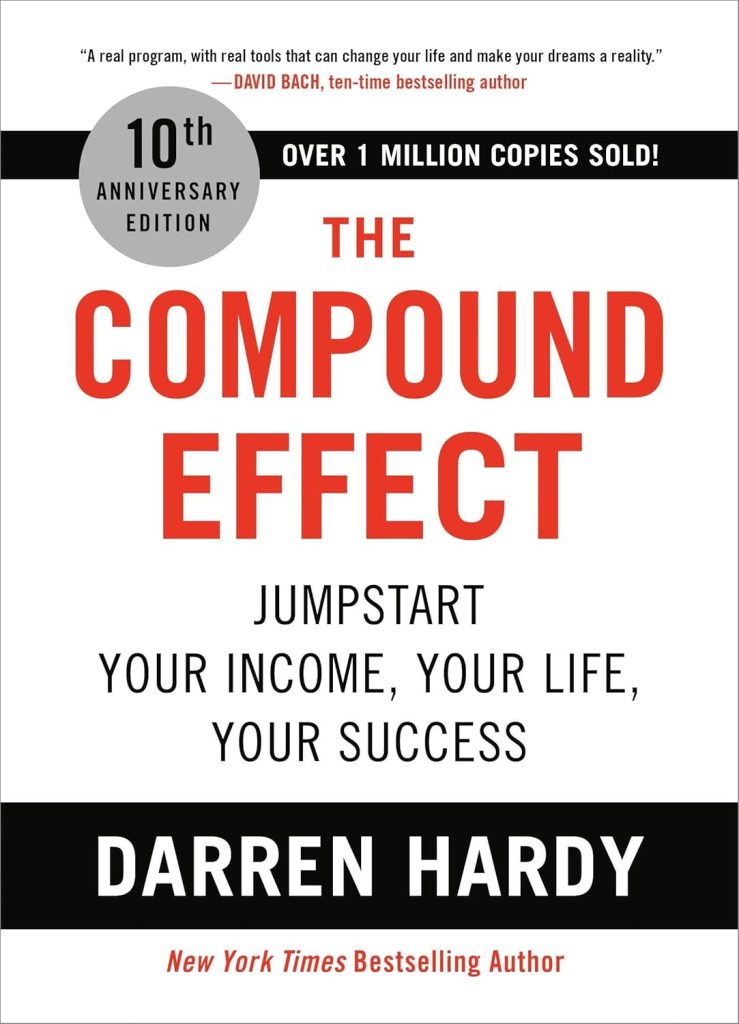
I first saw Darren Hardy speak at an event back in the Summer of 2013; he was inspiring, motivating and shared his own personal journey on applying the compound effect. Being successful in whatever you do in life, it requires consistent effort over a long period of time; and the way he breaks down the compound effect makes it a true game changer. If you’re struggling to be consistent towards your goals, this should be a go-to book/
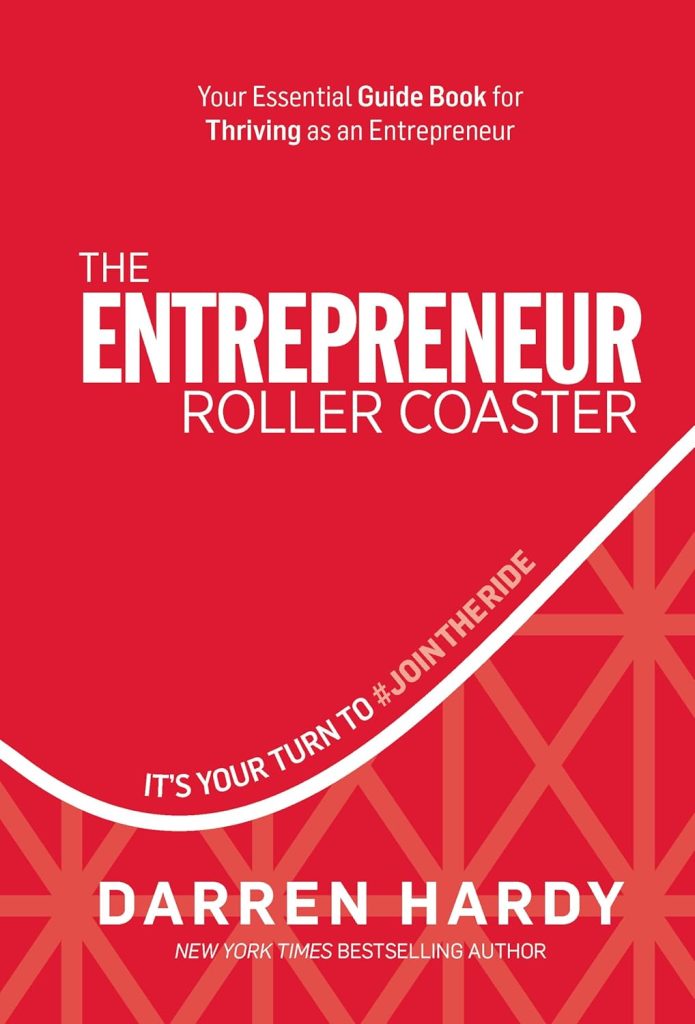
No matter how many years you have been in business you will find yourself relating to the Entrepreneur RollerCoaster. Darren Hardy refers back to being a newbie entrepreneur while sharing some of his pitfalls and some of the ups and down along his business journey. Being the creator of Success Magazine, you know his advice is worth listening to, and its even better when you apply to your own business. “Knowledge is not power. That’s a myth. It is the potential for power, but it is not power itself. It’s not what you learn or what you know; it’s what you do with what you know and learn.”
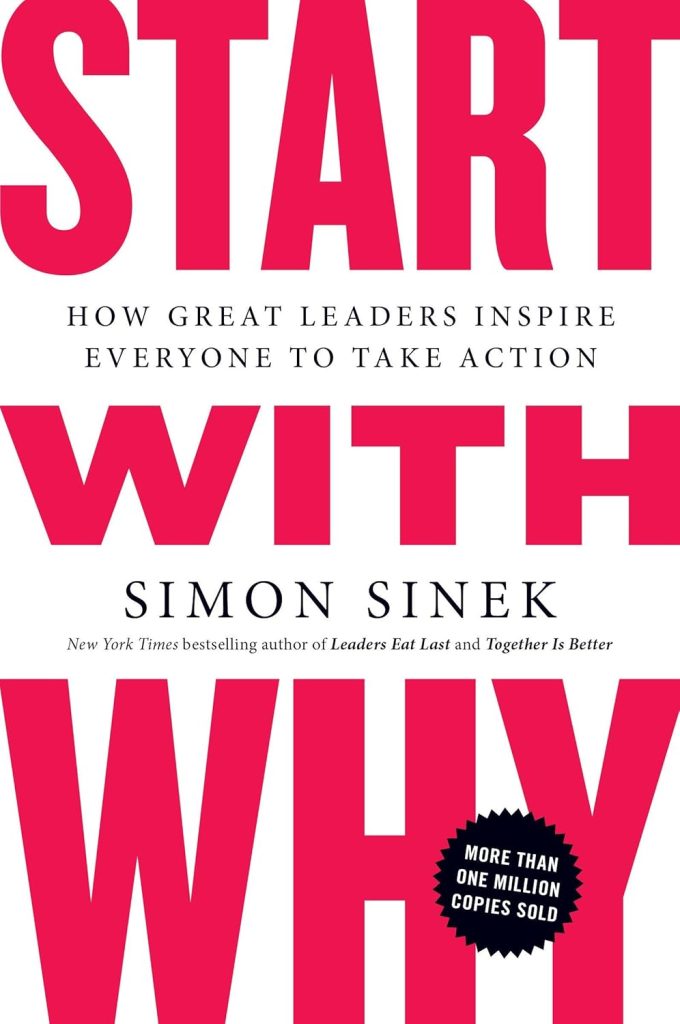
If you are a Leader within your organization or striving to move up in management, this is a MUST read! Simon Sinek discusses the Golden Circle theory here and how it inspires action within a person or organization. If you have ever wondered what sets some of the greatest brands apart from others, then read this book. He explains why people will tattoo a brand on their bodies while others just never seem to succeed. It’s another book I’ve listened to it and read multiple times. “There are only two ways to influence human behavior: you can manipulate it or you can inspire it.”
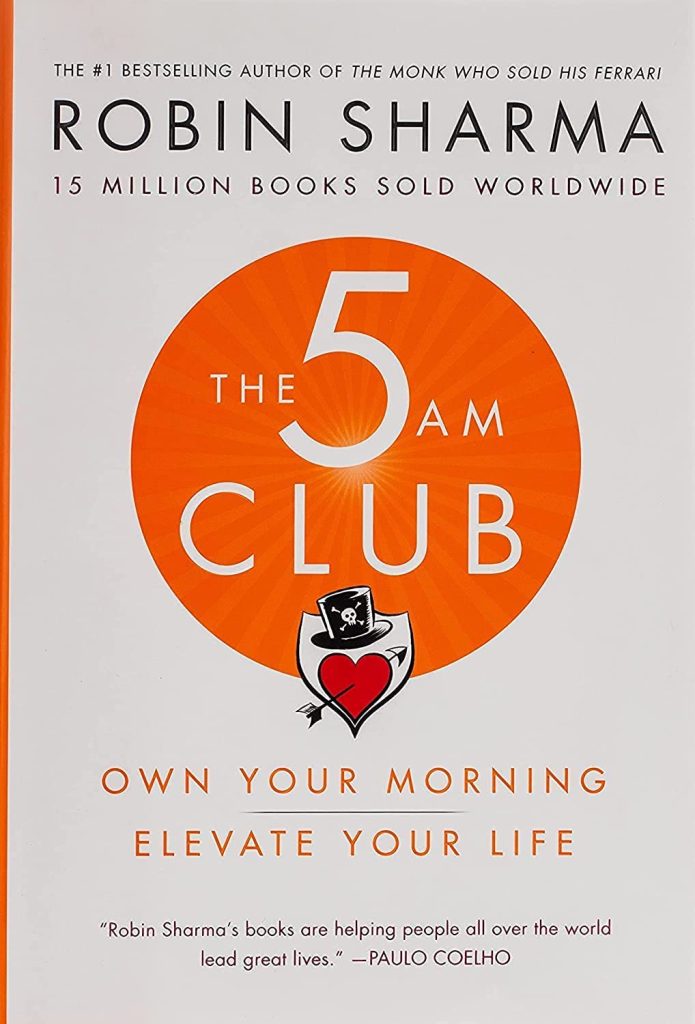
Have you ever felt like you were struggling to find the motivation to get up early? Or maybe feeling constantly stressed with multiple projects on your place and never feeling like you have enough time in the day? Well read The 5AM Club to get motivated and learn how implementing a few habits can positively impact your focus, and energy while stimulating creativity. “Take excellent care of the front end of your day, and the rest of your day will pretty much take care of itself. Own your morning. Elevate your life.”
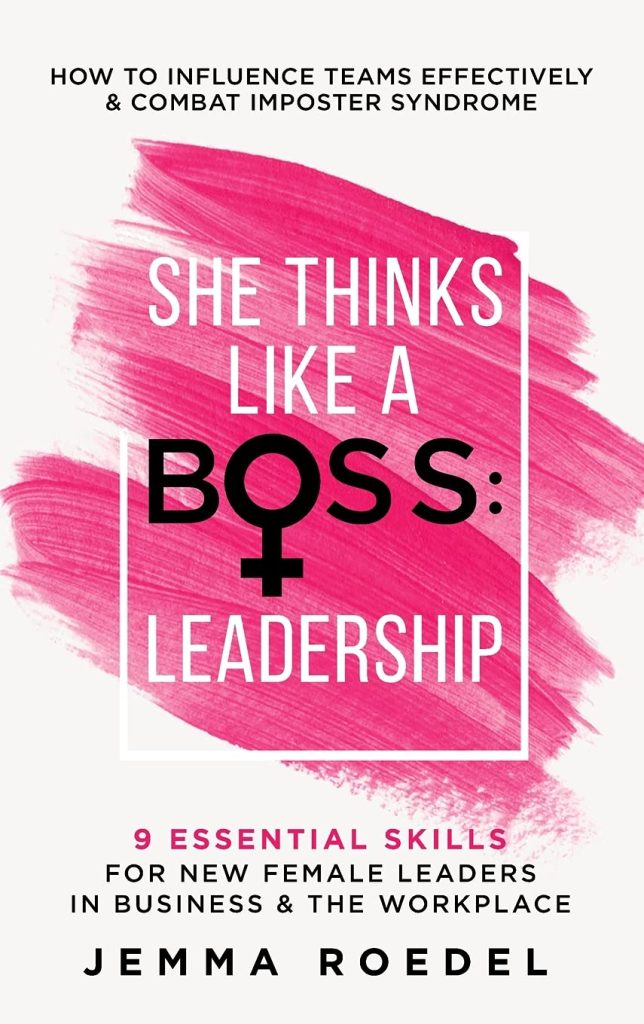
Are you a woman in business striving to lead with confidence in your organization? Jemma is the friend you need that reminds you, you got this, and shares her essential skills to being a female leader in the workplace. Gain the confidence you need to own that meeting, presentation or ask for that promotion! “Management is efficiency in climbing the ladder of success; leadership determines whether the ladder is leaning against the right wall.”
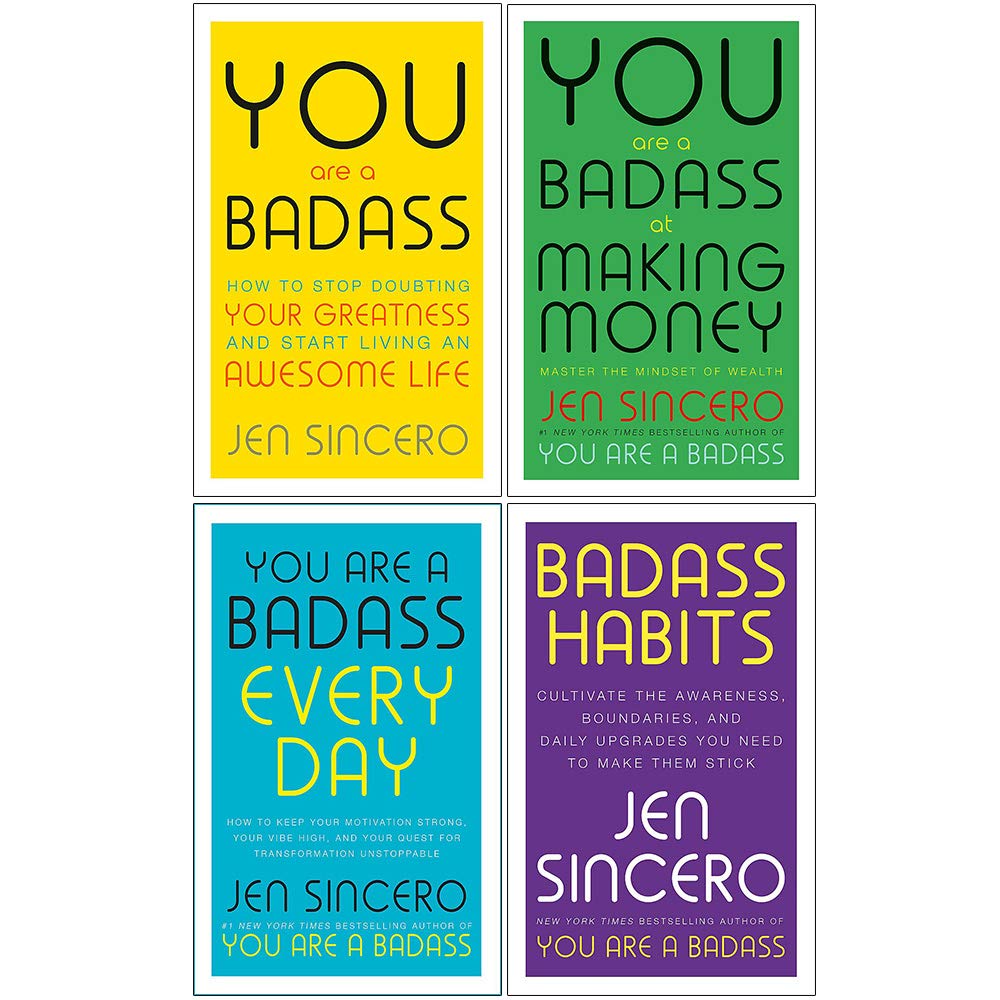
Jen Sincero is funny and motivating as she shares her story while cheering you on to do your thing. In her four easy to read and enjoyable books, there is humor, inspiring stories, real talk on money, boundaries, self awareness and overcoming your fears. Read or listen along, these could be just watch you need to spark the fire within!
“If you’re serious about changing your life, you’ll find a way. If you’re not, you’ll find an excuse.”
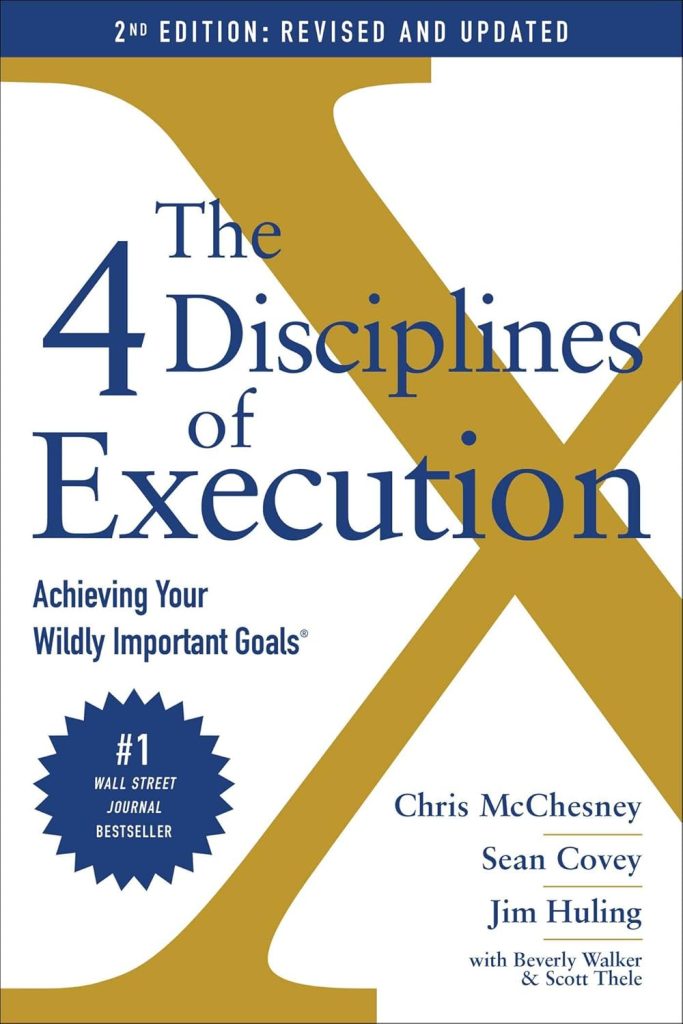
4 Disciplines of Execution played a strong role in providing me with a deep understanding implementing business and marketing plans. See most colleges and business program teach how to build great plans and strategy but they seem to look over, how to execute successfully. Its a definite must read if you’re wanting to develop a competitive edge. “There will always be more good ideas than you and your teams have the capacity to execute.”
Where there are many experts out there, that teach their one secret, or this one thing that changes your path…Marie Forleo reminds us to calm down and that Everything Is Figureoutable. Sharing her own experiences along her way to becoming a global thought leader and speaker, Marie will inspire you and remind you, you are unstoppable. “The most powerful words in the universe are the words you say to yourself.”
Steven Pressfield was a guest on Marie’s podcast awhile back and there is where I learned of his book, Put Your Ass Where Your Heart Wants To Be. You might be noticing a theme on my book recommendations but the ones that have had the most impact are those that are relatable, inspiring and motivating. Put Your Ass Where Your Heart Wants To Be, has all three of those while prompting you to ask yourself; am I really everything I can to achieve my goals? “When you move your material ass to the geographic site of your dream, your peers and potential mentors think at once, This person is serious…”
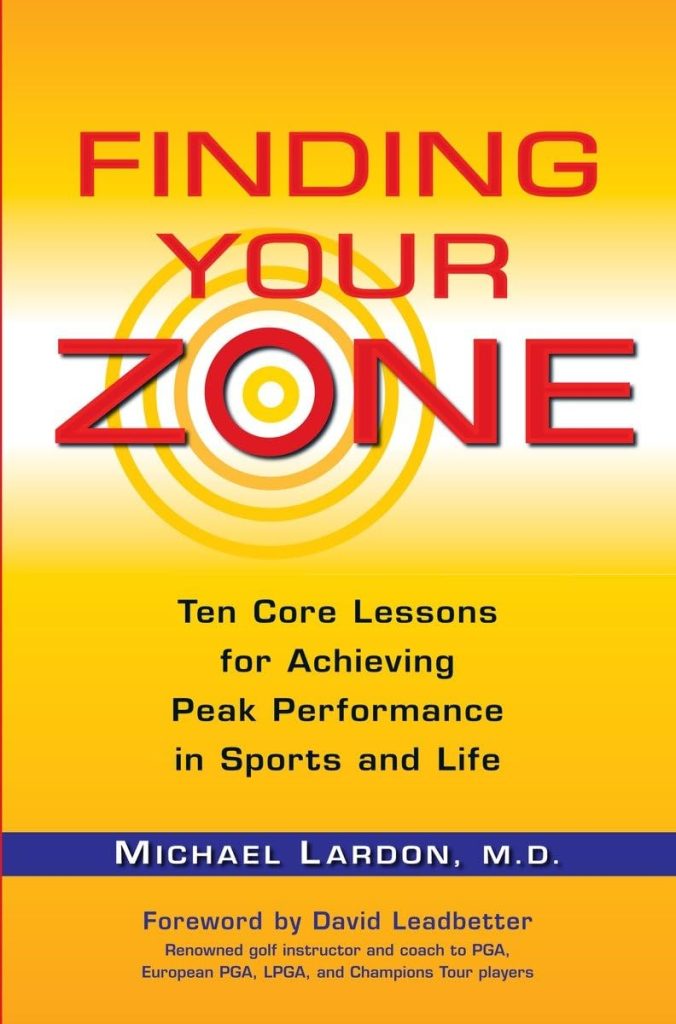
Have you ever wondered what the most elite athletes do to stay on top of their game? This book guides you through that process and helps you understand the role the brain plays in achieving greatness. Resisting distractions, being absorbed in the task at hand, how to think like a winner, and build your confidence are just a few things you’ll learn in this book. “Remember, the Zone doesn’t happen by magic: It is the training of your mind that enables you to get there. TRUST YOUR BRAIN, KEEP IT SIMPLE, AND STAY POSITIVE. Have a simple and consistent routine and you will find yourself in the winner’s circle.”
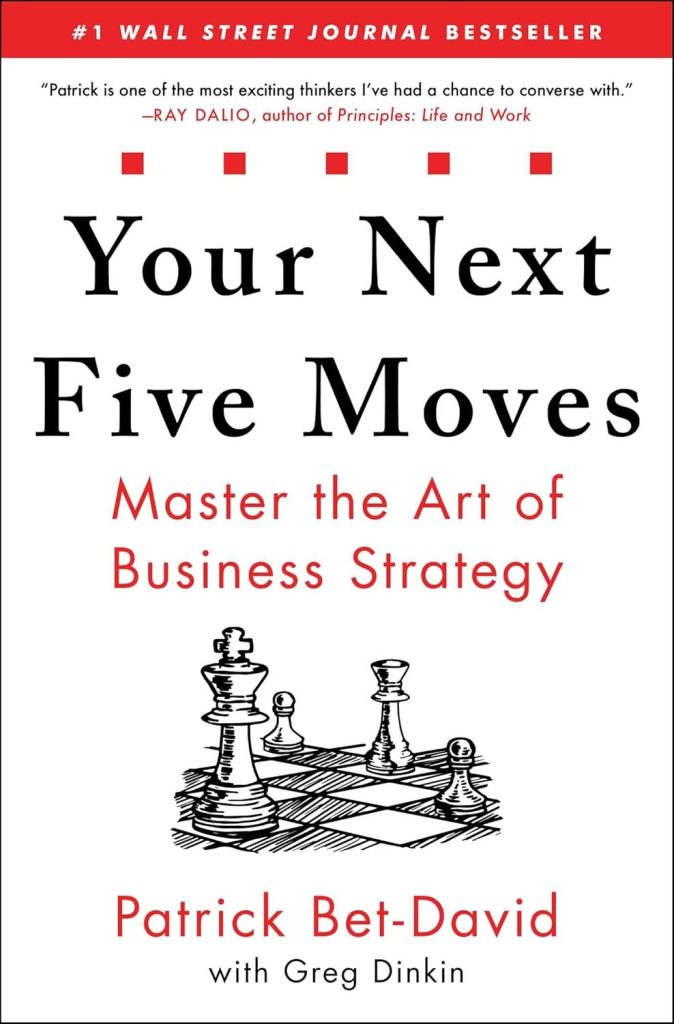
Have you ever played Chess? I haven’t, but the author references how business is like playing chess. Being able to anticipate the next five moves in front of you, is a key differentiator in the top performers in business. Mastering the Art of Business Strategy is something that can set you apart of your competitors within your industry. “Success is a series of strategic decisions.”
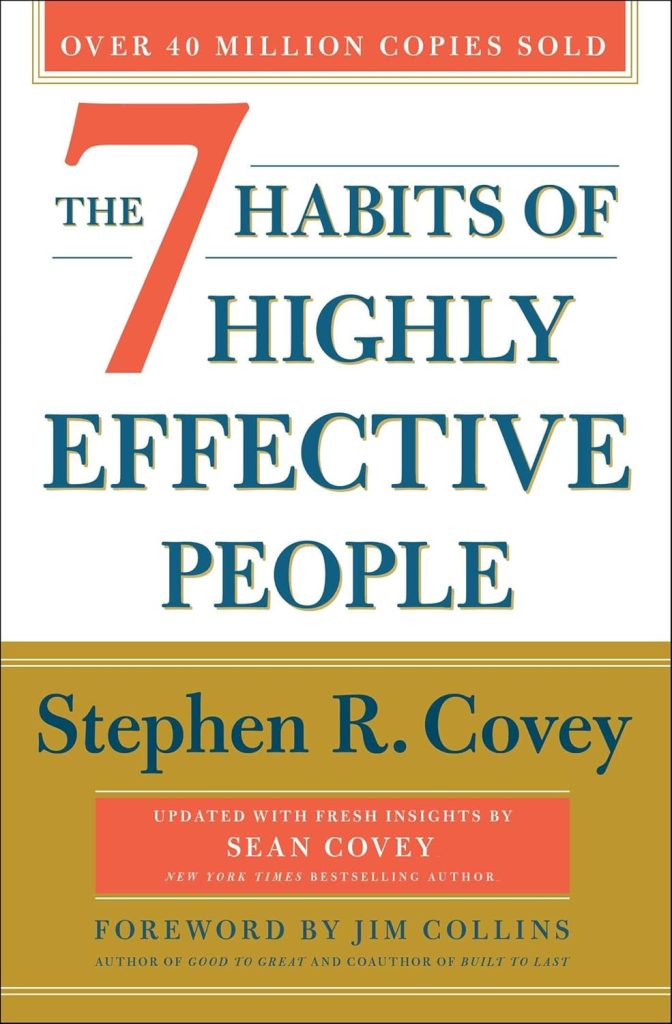
An oldie, but a great great read. Stephen Covey does a great job teaching the 7 Habits, while reminding us, to slow down and look at the subject matter from a different perspective. Just as we may feel strongly about a subject, if we understand it is just our perception, not necessarily how the world is, we can more be effective in our lives. “To change ourselves effectively, we first had to change our perceptions.”
If you’d like to be added to our newsletter list, fill out the form below.
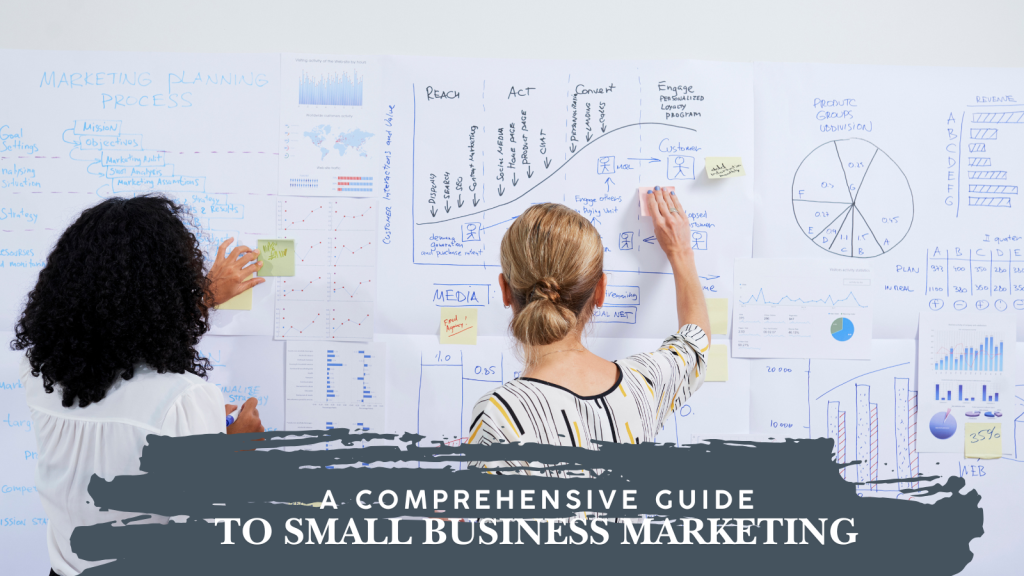
Small Business Marketing plays an important role in promoting the products and services that a Small Business offers. Marketing helps a Small Business build brand awareness, build relationships, increase sales opportunities and helps establish the brand as a strong partner within its local community.
Developing and crafting a marketing strategy that aligns with company goals is crucial for a small business’s growth and success. When marketing efforts are inconsistent, constantly shifting between tactics without a clear strategy in place, it’s like throwing spaghetti against a wall and hoping it sticks.
While some pieces may adhere temporarily, the majority will simply fall off, leaving you with a messy, ineffective approach.
So what is Small Business Marketing?
Marketing is defined by the American Marketing Association as: “Marketing is the activity, set of institutions, and processes for creating, communicating, delivering, and exchanging offerings that have value for customers, clients, partners, and society at large.”
To simplify this statement, Small Business Marketing is the overall strategy, the guiding principles, that work as a framework, while including the right marketing tactics within the plan that are geared toward a specific business.
Developing a marketing strategy and marketing plan that are for a specific business drive growth and the opportunity to scale a business. Sometimes, Small Business Owners want to jump right into the tactical part of the plan which derails growth, because they often overlook the boundaries that need to be set to grow.
Boundaries are needed in many aspects of life such as relationships, sports, driving a vehicle and even business. When a business establishes its boundaries inside its marketing strategy, it has its guide; which helps keeps small business owners from chasing the shiny object syndrome.
Shiny object syndrome is when a small business owner chases the latest trends and whats new for a hot minute, and as soon as something else comes a long they drop the first trend for the next.
This gets a business nowhere.
A Small Business Owner that wants to have success in Marketing; must be committed to the marketing strategy for longer period of time than just a couple weeks or month.
Think of it this way… If you are thinking of implementing a new marketing tactic, first ask yourself… will this help me advance to one of the two larger goals I set within the strategy?
All of the tactical marketing effort, should lead to advancing the small businesses overarching goals.
Again that’s why you start with a Marketing Strategy; so that you get very clear on what you’re trying to achieve and to utilize your marketing budget and resources to the best of your ability.
Benefits of Marketing for Small Businesses
There’s multiple benefits to Small Business Marketing, which include increasing brand awareness, acquiring customers, retaining customers, developing a competitive advantage and driving revenue growth.
Did you know that it takes more than eight times for the average human brain to hear or see a message, for it to resonate within the brain?
So if a business is trying increase its brand awareness lets say within a local community or within its industry, it’s messaging has to be consistent and seen by the target market.
When positioning a business within the market, the marketing strategy must define what is unique about the product, service or experience that a brand offers.
By incorporating these unique factors into the brand messaging, it helps increase that brand awareness through specific copywriting and creative elements that are developed for specific marketing channels.
Acquiring customers and retaining customers require different elements within the marketing strategy. It’s more expensive to acquire a new customer than it is to retain a current customer because a new customer isn’t aware of your brand.
They are defined as a cold audience, whereas, a customer you’re trying to retain, is one that’s already made a purchase from your business at some point.
The business has already developed a trust factor with this customer segment, and it will be easier to invite them to make their next purchases; whereas a new customer, a business is trying to build the relationship and develop trust.
Defining and utilizing the brands competitive advantage is key into differentiating a brand within the market.
For example, lets say there are 5 hair salons within a local community that offer pretty much the same type of services. Hair cuts, styles, colors, and extensions; but why is it that each hair salon attracts a certain customer base?
Maybe one brand has positioned itself as the expert for extensions where another has positioned itself as the experts in coloring hair, whereas another has positioned itself as the lowest price, another is a woman only salon, and the last one hasn’t positioned itself.
The buyer or customer base for each of these examples has a different reason to reason to buy because their needs are different.
A marketing strategy can drive revenue growth when it combines the competitive advantage, clearly defining who the business is aiming to serve, and focuses on building trust.
Steps to Create a Small Business Marketing Plan
For a business to create a marketing plan here are the steps that we recommend before diving into tactics.
Start off by conducting amarketing analysis and researching the industry as a whole, the designated market area, competitors, and strengths, weaknesses, opportunities and threats of the business.
This gives the business owner the opportunity to be realistic about the economy, the market its trying to serve, its competitors and the strengths and weaknesses its own company.
Take for the example, the economy in 2024 was hard for many small business owners and consumers. As consumers tightened up their wallets and spend, small business owner who forecasted how the economy would impact their company; strategically aligned their marketing efforts on retaining customers.
Those who didn’t probably saw a decrease in overall sales, website visits, foot traffic, and repeat transactions.
Performing a SWOT Analysis is our number one method in conducting market research. It’s beneficial for the business and the best way to set the two main goals that the businesses marketing strategy will focus on for the next six to twelve months.
Defining the ideal client of a small business is an important part of the marketing plan and strategy.
It helps business owners clearly define “the who” their small business serves.
The ideal client of a small business is someone who finds the perfect solution to their problem or needs in the product and services a brand offers.
It’s important because if the brand messaging doesn’t resonate with the ideal client, a small business is going to waste its resources marketing the wrong message to the right customer.
When a business understands exactly who they are trying to serve, they can create content that addresses the pain points of their exact customer resulting in building trust and brand loyalty.
Create a Buyer Persona For Your Small Business
Include information like:
Key demographic information
Where do they hang out?
What are their sources of information?
What are their social habits?
Who are their go to influencers?
What podcasts do they listen to?
What are their core values?
List 2-3 challenges they might face and then how your product or service solves those challenges.
What are their internal fears they battle?
Why would they object your product/service?
Are they the decision maker or will they need to take information to their boss?
Why might she follow you or engage with your content?
Refer to the buyer persona when you are working on anything that involves content, copywriting or creative for the business.
As discussed, its important to identify the unique selling proposition and what differentiate your business from competitors in market.
For example, if you’re a coffee company; and there are five competitors in the DMA, what is your unique selling proposition?
Is it speed? Quality? Low Prices? Customer service? The menu? What is it, that your business is know for? If you’re already an established business, check out customer reviews and see what customers love you for.
Then incorporate that messaging throughout your brand messaging.
Developing your business brand involves multiple components from the logo, typography, colors, messaging and overall vibe.
Can you think of two or three of your favorite brands? What is it that sticks out to you?
Highly skilled graphic designers are able to bring the brand vision to reality. By using creative concepts that incorporate the look, the feel, colors, texture and tag lines, professional graphic designer can be a game change with marketing assets.
The brand identity is an important part of the marketing strategy and plan, its also one area where we see business owners try to take shortcuts.
If a logo isn’t designed correctly in the right files, a business won’t be able to use it on say a billboard, magazine or when they go to order promotional items. It’ll show up pixelated and less than impressive.
If the logo is a piece of clipart or made on trend; the business will probably need to consider a rebrand five years in. Or there could be a direct disconnect between the logo, the unique selling proposition, and the experience a business offers, which ultimately creates customer confusion and detracts customers.
Remember when we suggested defining the social habits of the ideal client? Well that will play an important role into determining the marketing channels your business uses.
Selecting the right channels for your business is extremely important because if there is a disconnect in where you’re advertising and where the ideal client hangs out, then unneeded marketing dollars will be wasted.
There are many marketing channels available for Small Business Owners and we typically suggest intermixing traditional and digital marketing channels; that way a consumer is more likely to see it and your brand will reach that eight time threshold.
Now that you have an understanding as to whats available for you as a Small Business, as apart of your Marketing Strategy and plan its critically important to establish your marketing goals and budget.
Are you trying to drive visits to your website to shop your products, or trying to drive traffic to visit your brick and mortar locations? These examples are completely different marketing goals and will each require a marketing budget to do either.
Driving website visits will require ad spend and labor hours spent engaging online. Whereas driving traffic to your physical location requires a mixture of business listings online and physical signage so they customer can find your location.
If a budget isn’t allocated for either of your goals, then how can your business move from where you are today and to where you want to be?
Set clear, measurable goals and allocate a budget for each goal. IF… your marketing budget is small, then you might need to decide what is the most important goal, and use your marketing budget solely on that goal.
Example, if you serve a local area, then you invest where your customer is, vs online.
One of the major components of a Marketing plan is creating the action plan, steps and timeline.
Example: the business has now its two large goals for the next six months; one is to execute marketing campaigns on time, so the business can improve its return on investment.
That would require being clear on what is needed to better execute the campaigns, who is all involved, what the deadlines are for each area of the campaign. It’s also important to establish what KPI’s will be tracked.
If a business doesn’t define responsibilities, team members work together and be accountable in reaching deadlines, then it will be nearly impossible to reach the goal of better executing marketing campaigns.
We’ve talked a lot about the establishing your strategy and plan before diving into the tactics.
There’s a plethora of marketing tactics to use in small business marketing; but they can be broken down into the follow categories.
How can your small business leverage promotions, and create memorable interactions using these categories?
Online Marketing Tactics
Professional Website: A business website should work as a hub; it’s where you want to direct visitors to. So it needs to incorporate your branding, copywriting, product or services and be user friendly.
Social Media Marketing: create a content strategy utilizing your buyer persona. Define which tools you will use to to create the content.
Email Marketing: Make it easy for website viewers to sign up for your newsletter. Be consistent with sending valuable information to your subscribers. Its not always about the sale but building relationships.
TV/Radio: create a script with a call to action where your unique selling proposition and call to action. Script for either should be delivered in no more than 30 or 60 seconds.
Print: Include your business branding, a quality image, headline, subheadline and call to action.
Outdoor: develop a slogan or tag line in less than 7 words. Include logo and call to action ( which might be just your website).
Direct Mail: write a sales letter to your specific customer. Then include three key main benefits and include a call to action.
Experiential Marketing Tactics for Small Businesses
Workshops, Pop-ups
Mixers, meet-ups
Customer appreciation type events
In conclusion, there is a method to the madness when creating a Small Business Marketing Strategy and Plan.
Start conducting Market Research, Identifying your Target Market, Refining your Brand Unique Selling Proposition, Develop Your Business Brand, Choose Your Marketing Channels, Set Your Marketing Goals and Budget and Create an Action Plan. Then move into the Marketing Tactics.
We’re diving deep into the topic of figuring out your small business marketing objectives are this season.
Are you thinking, my business marketing objective is simple, to make more sales? If so, then this blog post is for you. Gaining clarity on your Small Business Marketing Objectives is an important task for all business owners.
The best Business owners, Entrepreneurs, and Managers get very clear on what they’re trying to achieve with each marketing campaign. And by doing that, they are also using the businesses marketing budget, most cost effectively.
You could be setting your business up for failure if you don’t get clear on your marketing objectives.
Here’s why:
Increasing sales, leads, store visits or website visits, are all important marketing objectives. However they also require the customer taking specific actions.
By knowing your customers well, and what you can do for them, at where they are at right now in the customer journey; can increase the momentum of your business just by solving your customers needs that they have at this point.
If you are unclear on what you’re trying to achieve, chances are, you’ll throw a lot out of Marketing effort out, with not much to show for it.
Here are some things to think through with your business to help you establish objectives.
Are you trying to attract a new customer, who is not yet aware of your brand, and how your product or service can help them?
Are you trying to attract a customer, that has seen your brand at a community event, or mixer, and interacted with your brand, but hasn’t purchased yet?
Are you trying to invite your VIP customers back to your establishment for an event with special shopping incentive?
The answers of these questions will help identify which marketing campaign objectives your business needs to focus on. By identifying the answers, you can better understand the different actions steps in the set up and execution of the specific marketing campaign your launching.
Establishing clear objectives, KPI’s, and walking through what type of marketing assets you will need for your campaign, will help you take a few more step in making your business operate like a well oiled machine.
Have a great week creating your Small Business Marketing Objectives!
How to get the Advertising Budget to work with Small Business Growth Expectations.
Have you ever considered if your Small Business Growth Expectations are working for you? Meaning, do you have an expectation for your business to grow substantially this year? But currently don’t have the advertising budget to consistently pour money into growing your small business?
Is there a specific amount you are dedicating to marketing and advertising your business each month?
Whether that budget be $100, $1000, or $10,000…Without consistency, it’s hard to gain momentum, and results. Yes… we know, we keep saying this!
A common misconception we have walked through with Business Owners, is there seems to be an business growth expectation that one advertising campaign will help the small business grow sales for an entire period.
For example, lets say there is a large industry event coming up, where you know you will be able to interact with your potential clients, and your brand has been asked to sponsor the event.
This event has all the bells and whistles…
Large number of people, live media coverage, opportunity for you to set up a booth to sell or display your product, and more!
Sounds pretty great right? And makes perfect sense to put a large amount of budget into it, right?
It takes approximately eight times for a message, a brand message, to resonate with a humans brain. So that means, we as humans need to hear or see a message over and over again.
So if your expectations are to grow your company, but you can’t afford to market and advertise monthly or quarterly consistently; but are considering putting a lot of advertising dollars into a one time set up, is it really worth it?
As the business owner, that’s something you need to take into consideration.
To clarify, we are not against event marketing or setting up at events to advertise your brand. Event setups are actually one of our favorite things. With the caveat, if you’re going to do it, make sure to clearly identify what your objectives are. Then make sure that everyone and everything is working to achieve just that.
If your goal is to just talk to people at the event, try it taking a step further and offering them a coupon with a small discount to either come to your physical location, or to visit your website and save. Now you’ve spoke with the potential client, and you’ve invited them to interact with your brand again at a later time.
If you’re still reading and contemplating what your advertising budget should be for your growth goals; take a look at your monthly calendar vs your quarterly calendar. Is there some sort of advertising you can be doing each month to build brand consistency?
In your community or industry, is there something you need to plan ahead to allocate advertising dollars for? When you allocate the right resources, it ensures the marketing assets are working to achieve your Small Business Growth Expectations!
Did you find this article helpful? Check out another blog post Small Business MarketingBudget discussing here!
Schedule your FREE Marketing Strategy call to go over your Small Business Growth Expectations?Check out our schedule here!